

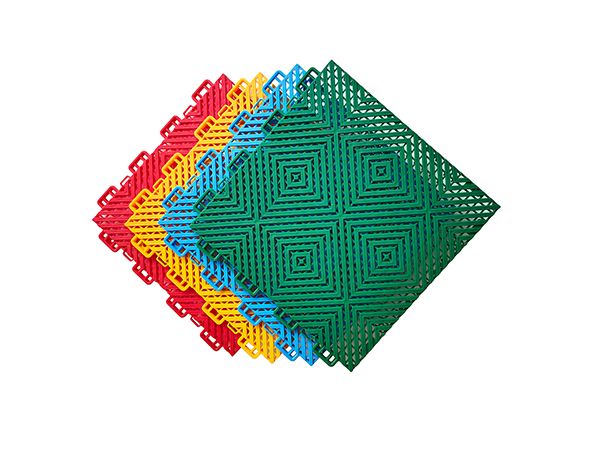
Nowadays, choosing interlocking sports tiles has become the preferred option for people, whether it’s for sports venues, stadiums, or fitness flooring facilities. interlocking sports tiles not only provide a comfortable, safe, and durable activity space for people but also offer personalized design options for different locations. When selecting interlocking sports tiles, their thickness has become a key consideration. This article will discuss in detail the impact of the thickness of interlocking sports tiles on comfort and durability.
1. There is a close relationship between thickness and comfort
The thickness of interlocking sports tiles is an important parameter that directly affects the comfort of the floor. Thicker interlocking sports tiles can provide a better cushioning effect, absorbing more impact force, thereby reducing fatigue caused by long periods of standing, walking, or exercising. For example, on a basketball court, thick interlocking sports tiles can reduce the impact on ankles and knees during jumping and landing, preventing sports injuries and enhancing the comfort and safety of sports activities. Additionally, thicker tiles can provide better warmth in cold seasons, reducing physical discomfort caused by low floor temperatures.
However, the thicker, the better. An overly thick suspended floor may lead to a high center of gravity, affecting the sensitivity and starting speed of movement, which is not conducive to sports that require quick reactions (such as badminton). In addition, an overly thick suspended floor will also increase the cost of production and transportation, which is not conducive to environmental protection and economy.
2. The thickness of a material is closely related to its durability
The thickness of interlocking sports tiles directly impacts their durability. Thicker suspended floors offer superior wear resistance, thereby extending the lifespan of the floor. This is primarily because thicker suspended floors are better equipped to withstand various physical wear and corrosion, such as friction, compression, and oxidation. Additionally, when laying thicker suspended floors, the requirements for the foundation are lower, making them more adaptable to various complex environments.
However, thin suspended flooring also boasts its unique advantages. Its thinness renders it lightweight, easy to carry and install, making it highly suitable for use in situations where space is limited or frequent venue changes are required. Furthermore, the relatively low price of thin suspended flooring makes it more accessible to consumers.
In summary, the thickness of interlocking sports tiles can have a certain impact on comfort and durability. When selecting interlocking sports tiles, it is necessary to consider both practical needs and budget. If there are high requirements for comfort and wear resistance, and the budget is sufficient, thicker interlocking sports tiles can be chosen; if the venue needs frequent replacement or the budget is limited, thinner interlocking sports tiles are a better option. In short, choosing the right interlocking sports tiles can not only provide a comfortable experience but also extend their service life and meet various needs.